
Sauna bathing is very simple and quite easy to do badly. The two things most people get wrong are staying in too long on the first round, and skipping the rest afterwards — which is the part that actually feels good.
What heat is doing to your body
When you sit in a hot room, your body starts working to shed heat. Blood vessels near the skin dilate, your heart rate climbs, and you begin to sweat. The cardiovascular response is real: heart rate in a hot sauna commonly rises into a range comparable to light or moderate exercise, and blood pressure typically falls as your vessels open up.
That combination — elevated heart rate, dilated vessels, heavy sweating — is why heat feels like effort, and why it leaves you tired in a pleasant way afterwards. It is also why the safety notes on this page matter. Heat is not passive.
Traditional sauna, infrared and steam
These three get lumped together as “heat” and they are meaningfully different experiences.
| Type | Air temperature | Humidity | How it feels |
|---|---|---|---|
| Traditional sauna | ~80–100°C | Low, often under 20% | Dry, enveloping, intense. Water on the stones spikes the intensity sharply. |
| Infrared sauna | ~45–60°C | Low | Gentler air, radiant warmth on the skin. Easier to sit in for longer. |
| Steam room | ~40–45°C | Near 100% | Heavy and immediate. Sweat can't evaporate, so it feels hotter than the number suggests. |
There's no ranking here. Traditional heat suits people who want the full intensity and the ritual of it. Steam suits people who find dry heat harsh on the throat and sinuses. Plenty of people use both in one visit, and moving between them is part of the appeal of a proper bathhouse.
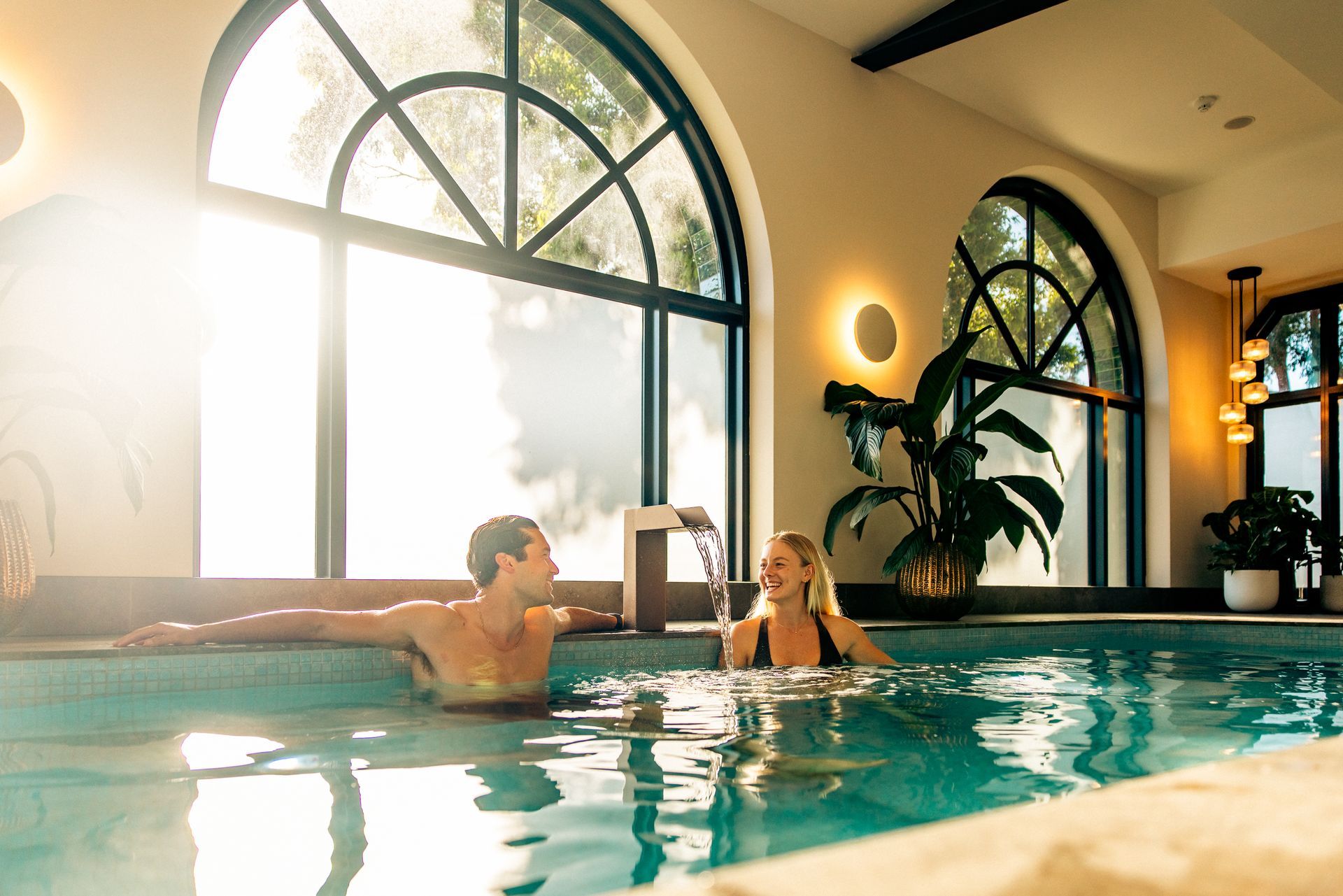
How to structure a session
The pattern that works, and the one used in sauna cultures that have had centuries to refine it, is simple: get hot, cool down, rest, repeat.
- Shower first. Rinse off before you get in. It's basic courtesy in a shared space and it helps you sweat sooner.
- First round short. Five to ten minutes if you're new, ten to fifteen if you're not. Sit low on the bench if it feels too much — the temperature difference between the top and bottom bench is substantial.
- Cool down deliberately. A cool shower, or a cold plunge if you want the full contrast. Don't dive straight into cold if you're feeling lightheaded — cool the shower down gradually instead.
- Rest as long as you were hot. This is the step people skip. Sit somewhere neutral, drink water, let your heart rate come down. The heavy, loose, quiet feeling arrives during the rest, not during the heat.
- Repeat two to four times. Then finish cool rather than hot, so you're not still sweating when you get dressed.
A 90-minute session comfortably fits three rounds plus a soak. Two hours lets you stop thinking about timing altogether, which is usually when people get the most out of it.
What the research does and doesn't show
Sauna has a genuinely interesting research base, mostly from Finland where regular sauna use is widespread enough to study across large populations. Long-running observational cohort studies have found that men who used a sauna more frequently had lower rates of cardiovascular death and lower all-cause mortality than men who used one about once a week, with the strongest associations at four to seven sessions per week.
That is a real finding and worth knowing. It is also observational, which means it shows an association rather than proving cause. People who sauna four times a week may differ from people who sauna once a week in other ways — income, leisure time, baseline health, social connection. The researchers adjusted for a lot of that, but adjustment isn't the same as a controlled trial. So the honest framing is: frequent sauna use is associated with better cardiovascular outcomes in these populations, and the mechanisms are plausible, but nobody has proven that adding sauna to your week will extend your life.
Things we're not going to tell you. Sauna does not “detoxify” you or “sweat out toxins” — your liver and kidneys handle that, and sweat is overwhelmingly water and electrolytes. The weight you lose in a sauna is fluid and returns as soon as you drink. It won't boost your immune system in any way that has been reliably demonstrated. We'd rather be a source you can trust on the interesting parts than pad the list with things that aren't true.
Getting the cold part right
Cold after heat is where a lot of people either fall in love with bathing or decide it's not for them. Two things make it much more manageable. First, go in slowly and keep breathing — the gasp reflex when you hit cold water is normal, and controlling your breath through the first fifteen seconds is most of the skill. Second, you don't need to stay long. Under a minute is enough for most people to get the full effect.
If cold plunging genuinely isn't appealing, a cool shower does most of the same job. The contrast matters more than the extremity.
Who should check with a doctor first
Heat bathing is well tolerated by most healthy adults. It is not for everyone without advice.
- Pregnancy — raised core temperature matters, particularly in the first trimester.
- Cardiovascular conditions — unstable angina, recent heart attack, significant arrhythmias, uncontrolled blood pressure.
- Low blood pressure or fainting — heat lowers blood pressure further, and standing up quickly afterwards is when people go down.
- Medications — anything affecting blood pressure, heart rate, fluid balance, or your ability to sense heat.
- Diabetes or reduced sensation — if you can't reliably feel how hot a surface is, burns are a real risk.
- Alcohol or drugs — not a “check with your doctor” item. Just don't. This combination is behind a meaningful share of serious sauna incidents.
Get out if you feel dizzy, nauseous, get a headache, or notice your heart doing something unfamiliar. Sit down somewhere cool before you go looking for water, not after.
Questions people actually ask
How hot is a traditional sauna?
Traditional Finnish-style saunas usually run somewhere between about 80 and 100°C at head height, with low humidity — often under 20 per cent. That sounds extreme, and it would be unbearable in humid air, but dry heat is far more tolerable than the same temperature with moisture in it. Pouring water on the stones raises humidity briefly and makes the heat feel much more intense without changing the air temperature much.
How long should I stay in the sauna?
For most people a round of 10 to 20 minutes is plenty, and beginners should start at the shorter end — five to ten minutes is a sensible first round. The honest answer is that your body tells you before a timer does. Leave when you feel properly hot and your breathing has deepened, not when you feel like you're enduring something.
What's the difference between a traditional sauna and an infrared sauna?
A traditional sauna heats the air, which then heats you. An infrared sauna emits radiant heat that warms your body directly, so the air stays much cooler — typically around 45 to 60°C. You'll usually sweat at a lower air temperature in infrared, and many people find it gentler and easier to sit in for longer. Traditional sauna gives the more intense, enveloping heat that most people picture when they think of a sauna.
How is a steam room different?
A steam room is much cooler — usually around 40 to 45°C — but at close to 100 per cent humidity. Because the air is saturated, sweat can't evaporate off your skin, so the heat feels heavier and more immediate even though the temperature is far lower. People with congestion or sinus irritation often prefer steam to dry heat.
How many rounds should I do?
Two to four rounds suits most people. A common pattern is heat for 10 to 15 minutes, cool down and rest for as long as you were hot, then repeat. The rest is not wasted time — it's where your heart rate settles and the pleasant, heavy-limbed feeling actually arrives.
Do I need to drink water?
Yes. You'll lose a meaningful amount of fluid through sweat, and you won't necessarily feel thirsty in proportion to what you've lost. Drink before, between rounds and after. Skip alcohol entirely — it impairs your temperature regulation and your judgement about when to get out, which is a genuinely dangerous combination with heat.
Can I use a sauna every day?
Many people do, and in Finland daily or near-daily sauna use is completely ordinary. Whether it suits you depends on your health and how you feel afterwards. If daily heat leaves you drained rather than settled, do less.
Is sauna safe if I'm pregnant or have a heart condition?
Talk to your doctor first. Heat raises your heart rate and lowers blood pressure, and both matter in pregnancy and in cardiovascular conditions. This isn't a blanket no — plenty of people in both categories use saunas with medical guidance — but it's a conversation to have with someone who knows your history rather than a website.


Sauna, steam and cold plunge in Chatswood
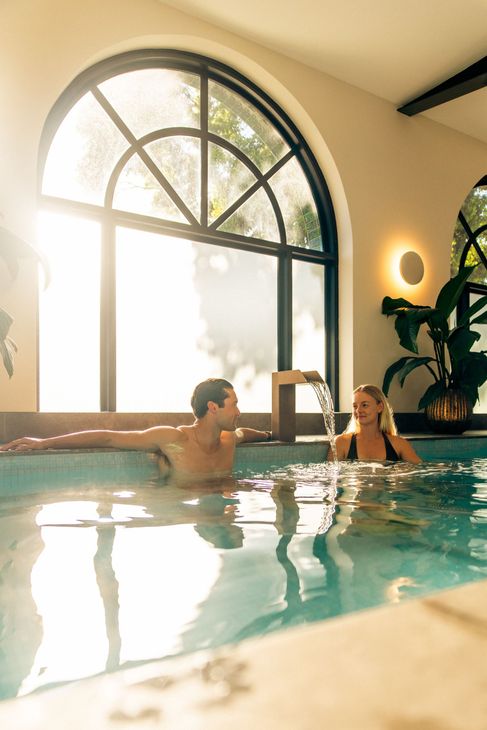
Escape Bathhouse has a traditional sauna, a steam room, cold plunge pools and a warm magnesium mineral pool under one roof, eight minutes' walk from Chatswood station. Sessions run 60, 90 or 120 minutes — long enough to do several proper rounds without watching the clock.
989 Pacific Highway
Chatswood NSW 2067
60, 90 and 120 minutes
from $39
Tue–Sun from 7am
(Sun 8am). Closed Mon.